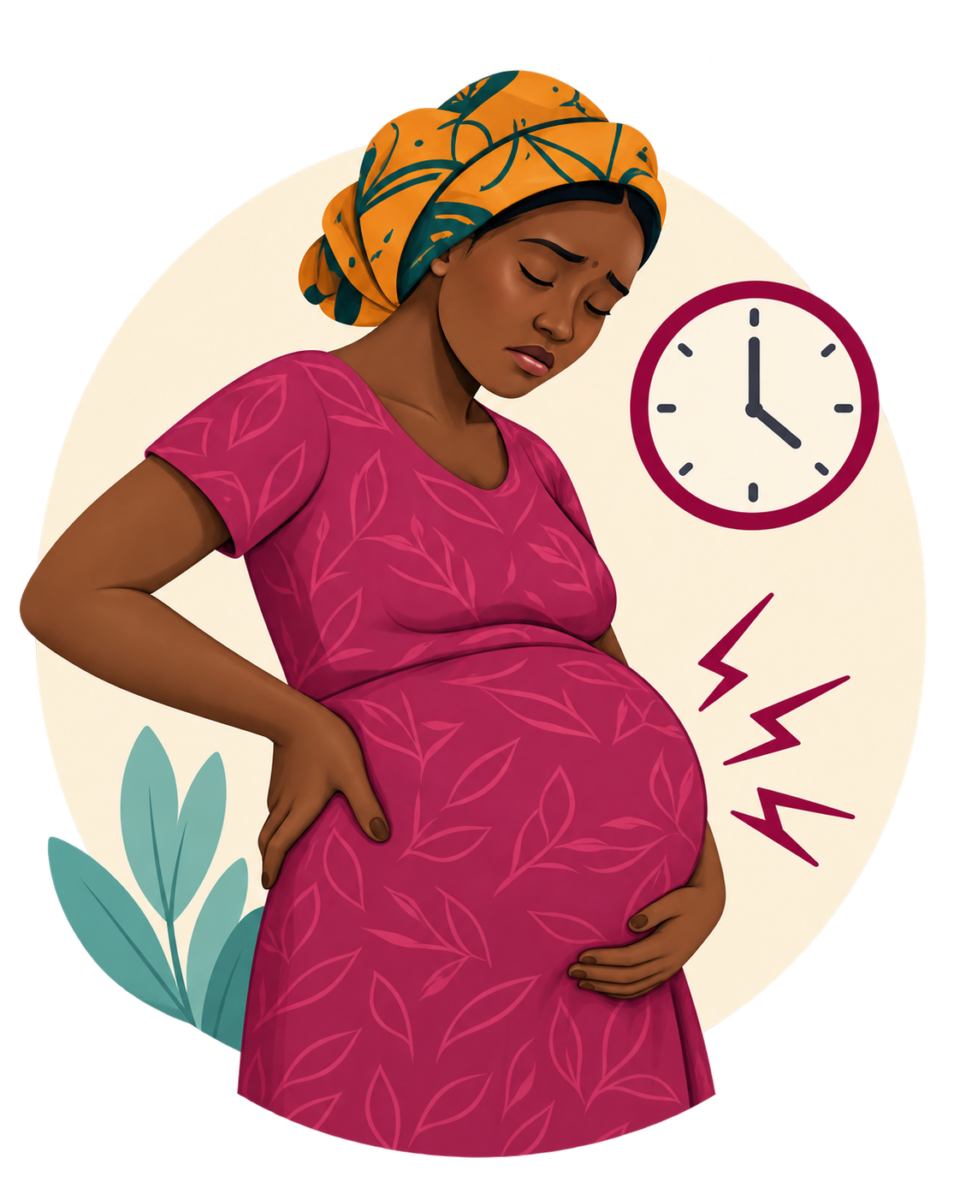
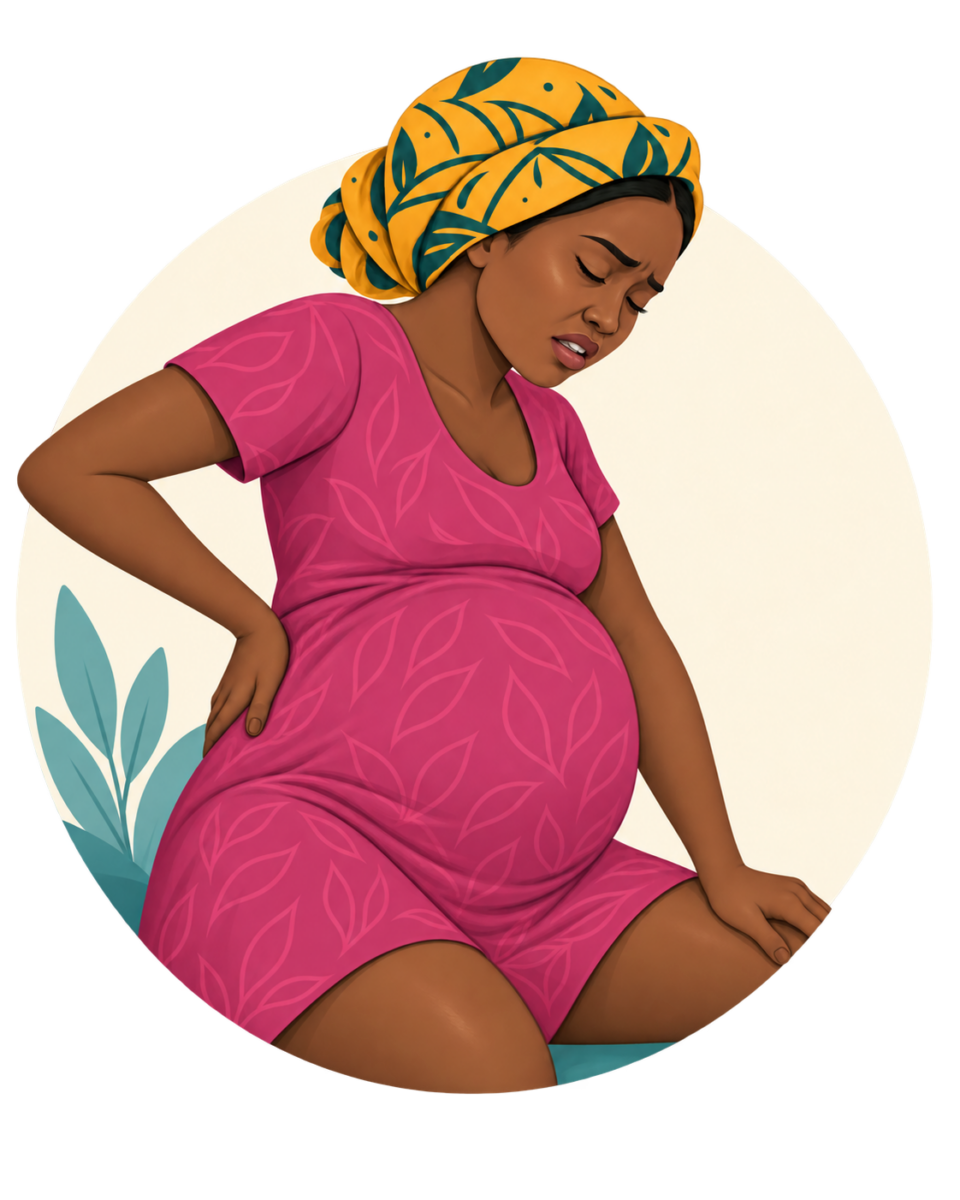
How obstetric fistula happens
A preventable childbirth injury that no woman should face.

How We End Fistula
Care for the whole woman. Prevent the injury.
End fistula.
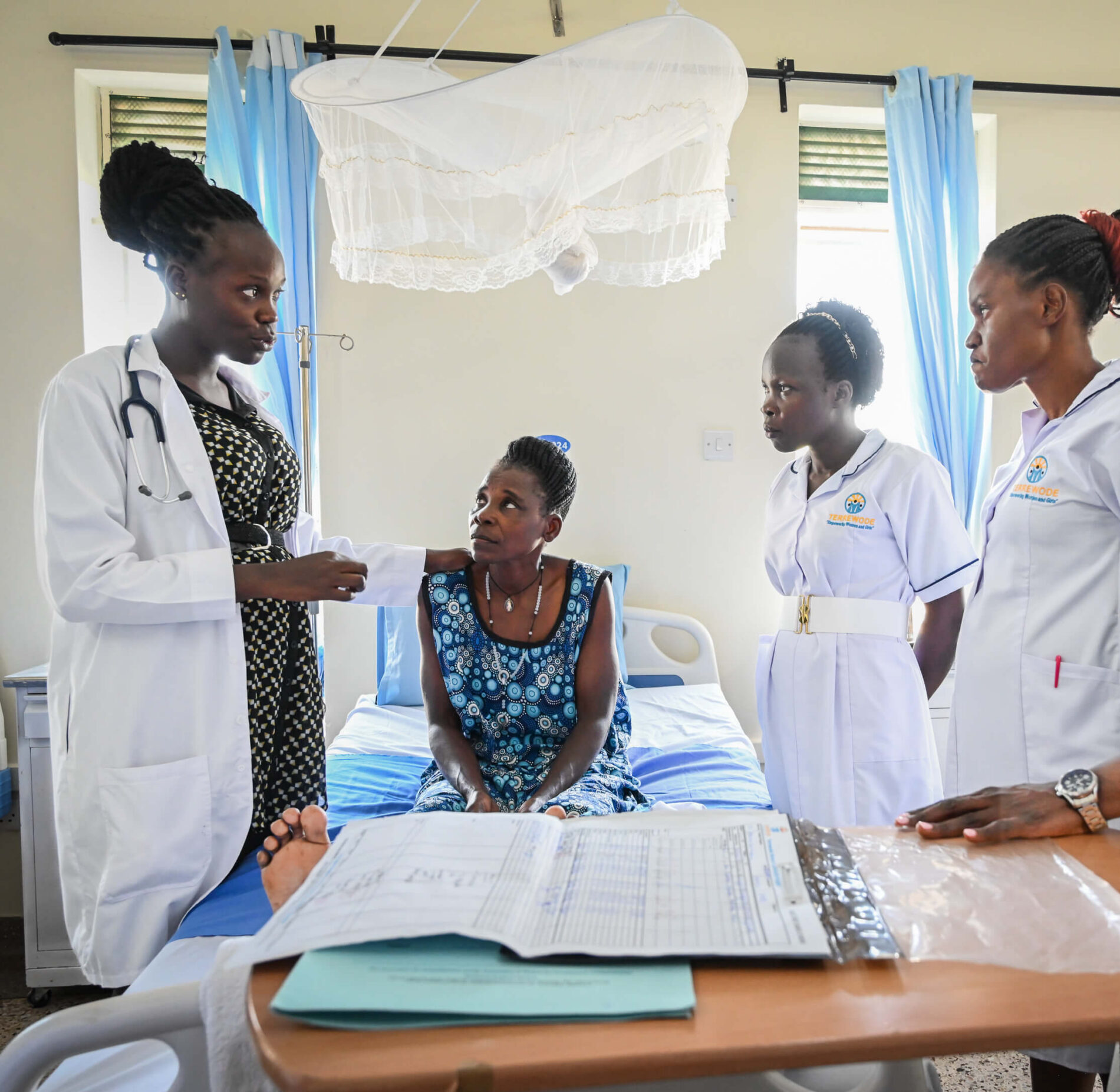
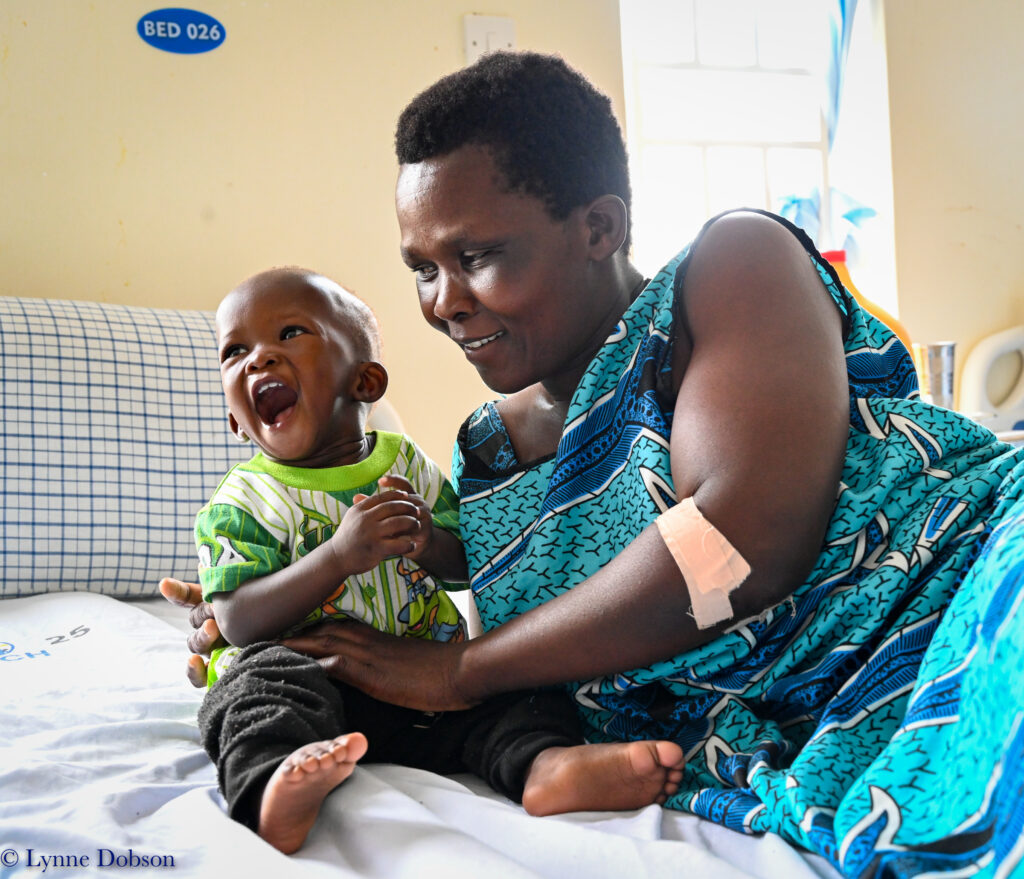
Across five countries, our partners provide holistic care, repairing fistula and other childbirth injuries, supporting women as they reconnect with their families and communities, and leading efforts to prevent these devastating injuries from happening in the first place.
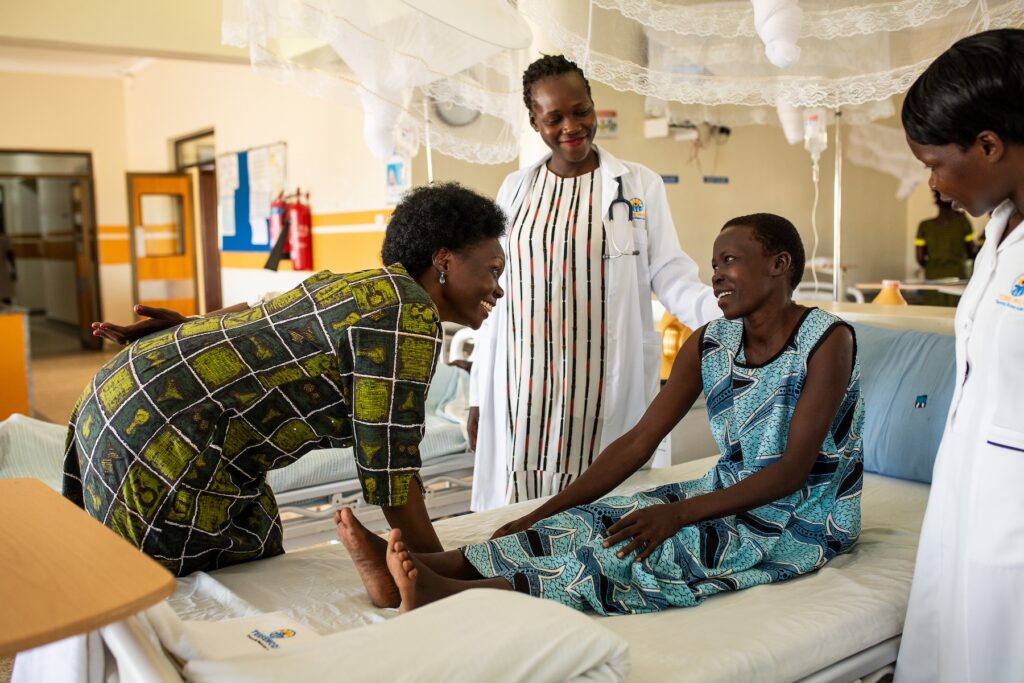
Local leadership.
Global partnership. Long-term change.
Maternal Dignity Project invests in trusted, African-led organizations that understand their communities, know what women need, and are building solutions designed to last.
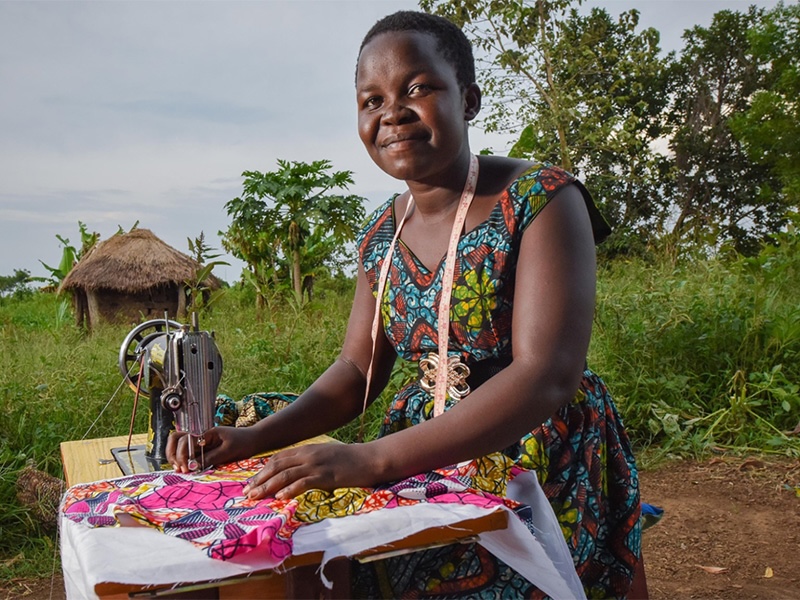
Care for the whole woman is about far more than surgery. It means helping a woman recover physically, return to her community, regain economic independence, and shape what comes next.
Fistula survivors become advocates, entrepreneurs, educators, and leaders in their own communities. By investing in whole person care and the local leaders carrying it forward, we pave the way to a future where women can heal with dignity and fewer women ever have to face the pain of obstetric fistula.

Local leadership across five African countries.
Select a highlighted country on the map to explore its partner story.

ARENA Medical Center
In Burkina Faso, Dr. Itengre Ouedraogo built the country's first dedicated fistula center.
ARENA brings surgery, reintegration, prevention, advocacy, and medical training together under one roof, strengthening care while building local capacity for the future.
Impact at a glance
Stories of health & hope.
Behind every statistic is a woman, a family, and a story of resilience.
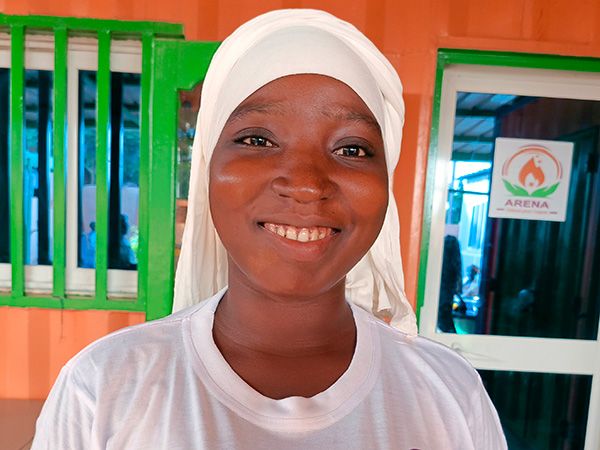
After Two Years With Fistula, Lizata Found Healing at ARENA
Lizata’s Story: A 360 Kilometer Journey to Healing For two years, Lizata lived without answers. Lizata developed obstetric fistula after a difficult labor and emergency cesarean…
Read the Story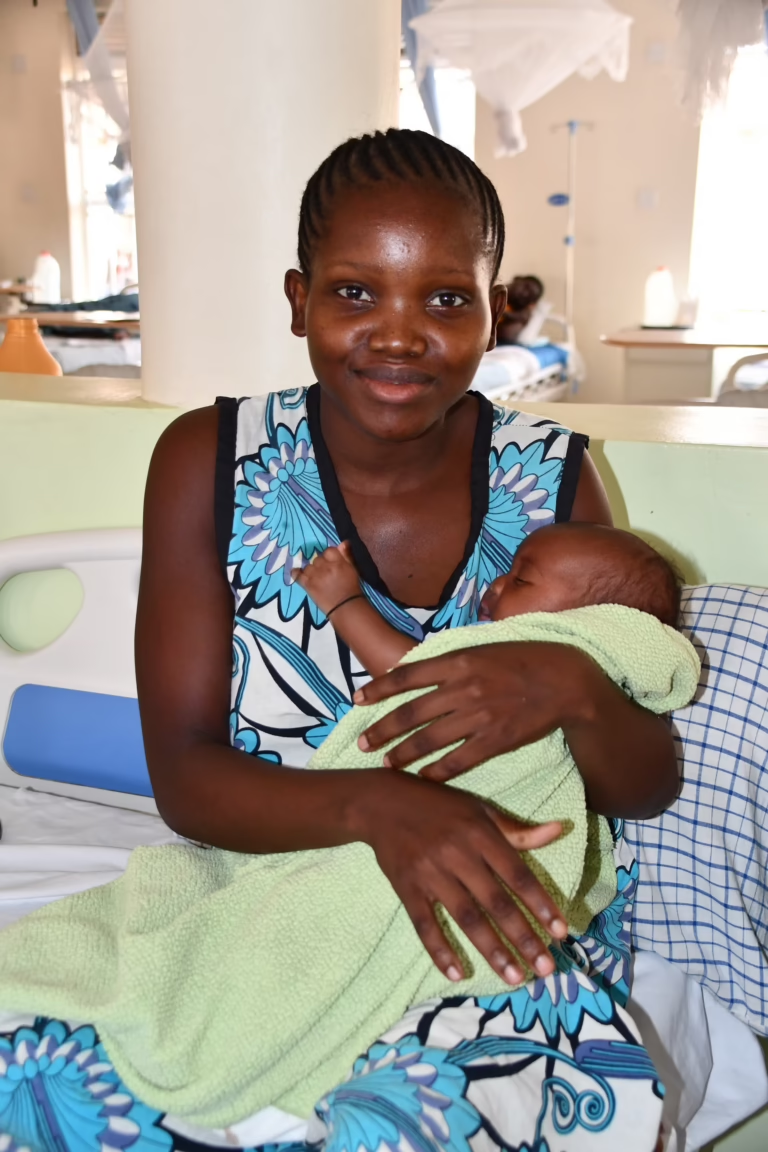
Betty’s Story: A New Life After Obstetric Fistula
After two days of obstructed labor, Betty Nalule survived an emergency cesarean birth and welcomed her daughter, Favour. But she left the hospital with obstetric fistula…
Read the Story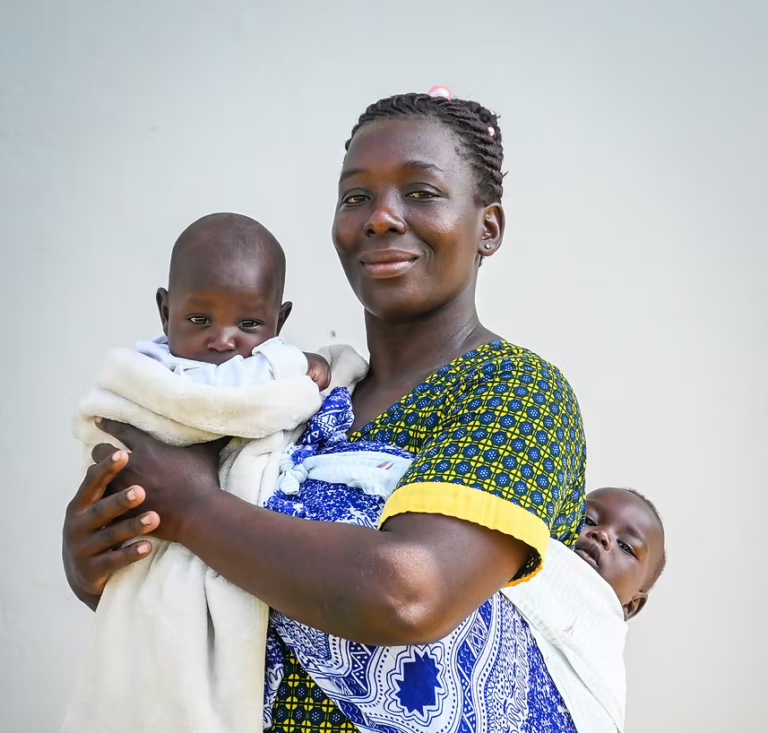
From Loss to Survival to Dream Job
After a ruptured uterus, the loss of her baby, and obstetric fistula changed the course of her life, Irene found treatment and support through TERREWODE. Years…
Read the Story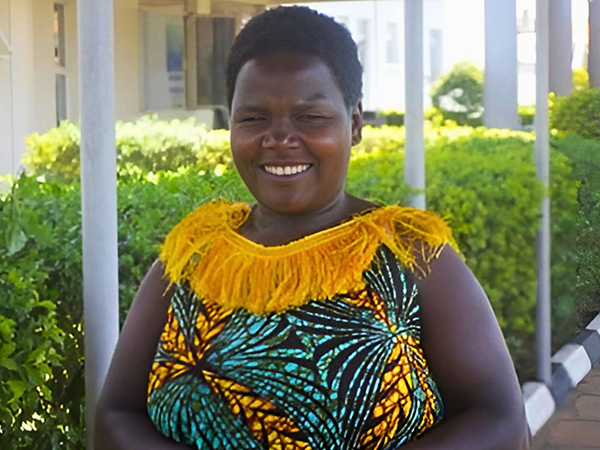
Overcoming Obstetric Fistula and Rebuilding Her Life
After enduring severe delays during labor that resulted in the loss of her baby and an obstetric fistula, Aisha was abandoned by her husband. She eventually…
Read the Story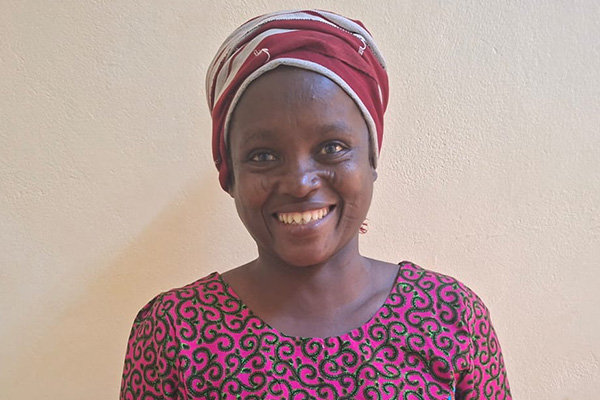
Maimouna’s Journey from Obstetric Injury to Healing
In conflict affected Burkina Faso, closed health facilities forced 35 year old Maimouna into a dangerous home birth, resulting in the tragic loss of her twins…
Read the Story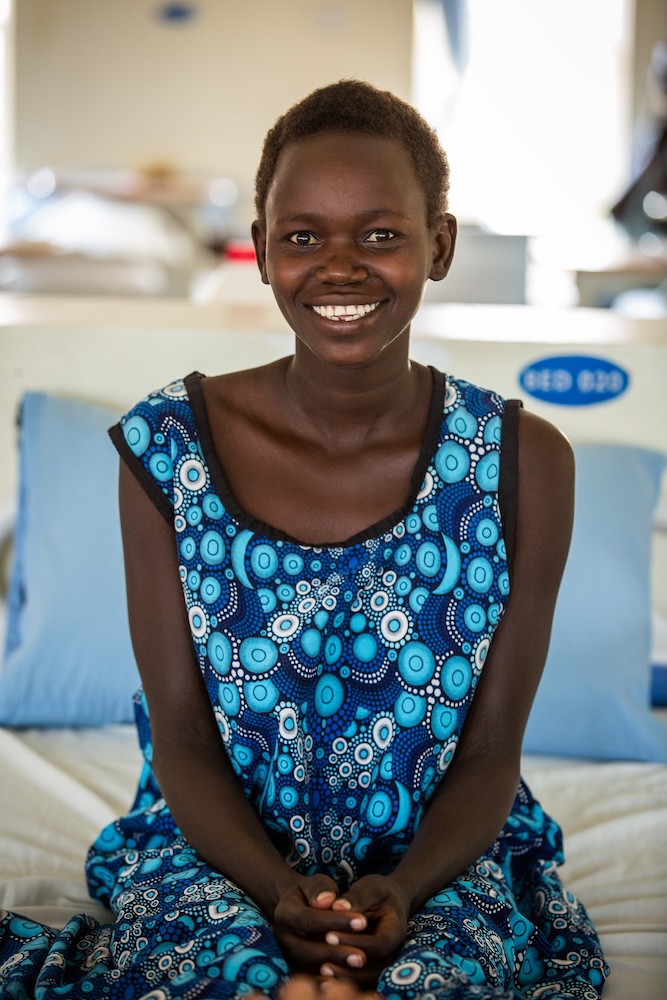
After Loss, Isolation, and Fistula, Maria Found Her Way Back to Care
Maria spent days trying to reach emergency obstetric care, only to arrive after her baby had died. After developing obstetric fistula, she was shunned by her…
Read the Story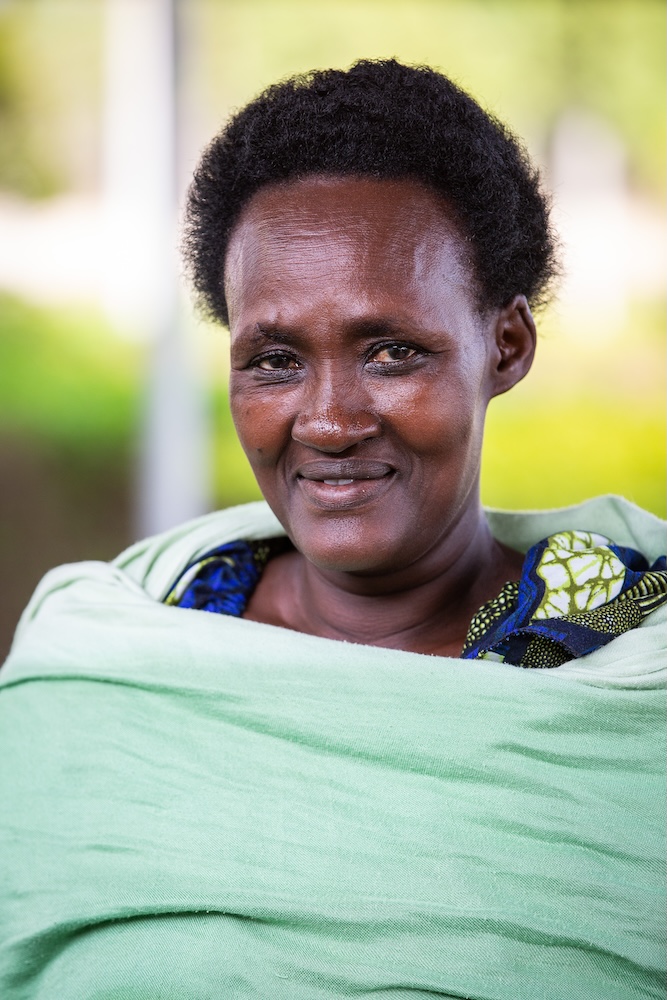
After 10 Years of Living With a Childbirth Injury, Faisy Found Hope
For nearly a decade, Faisy lived with the effects of a severe perineal tear sustained during the birth of her first child. In 2025, a chance…
Read the Story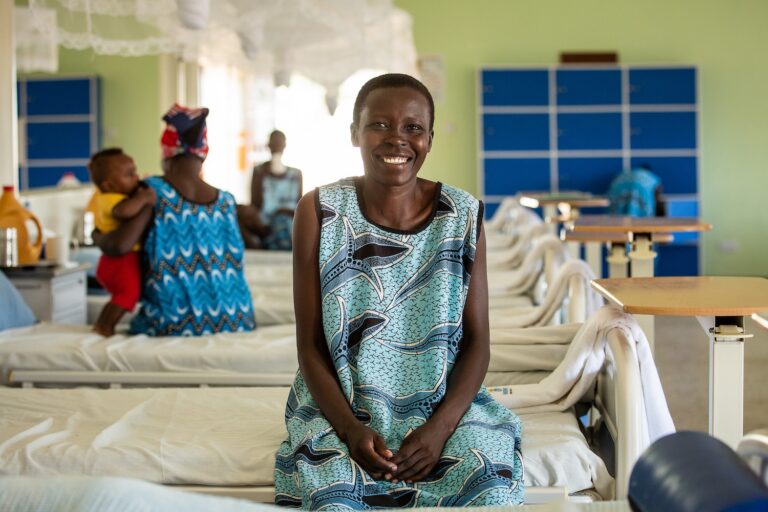
Agnes’s Journey of Healing
After a prolonged labor, a ruptured uterus, and the loss of her baby, Agnes developed obstetric fistula and lost movement in one leg. At TERREWODE Women’s…
Read the Story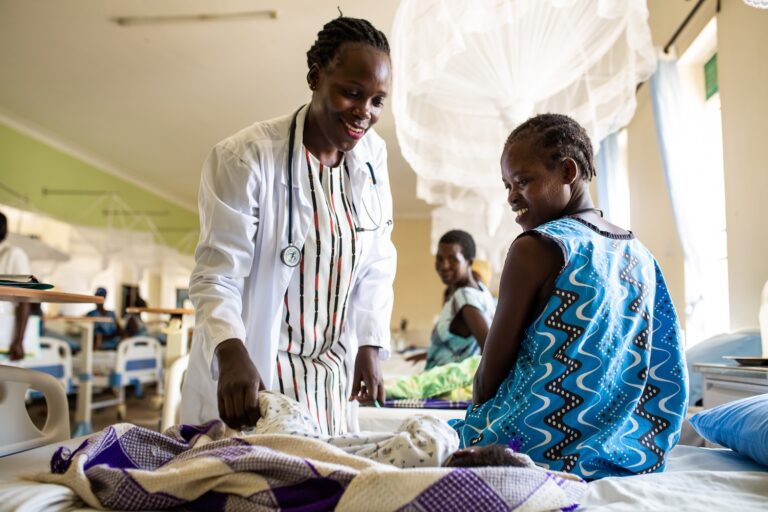
Achilla’s Journey to Care
After complications following the birth of her seventh child, Achilla was referred from Kotido to TERREWODE Women’s Community Hospital for specialized care.
Read the Story
171 Miles to Healing: Epiphanie’s Journey to a New Beginning
At 19, Epiphanie lost her first baby after two days of labor and developed obstetric fistula. Unable to afford surgery, she spent months living with constant…
Read the Story
From 12 Years With Fistula to Founding a Movement
After living with obstetric fistula for 12 years, Sarah Omega found treatment and founded LEFI. Today, her organization helps women across Kenya reach care, rebuild their…
Read the Story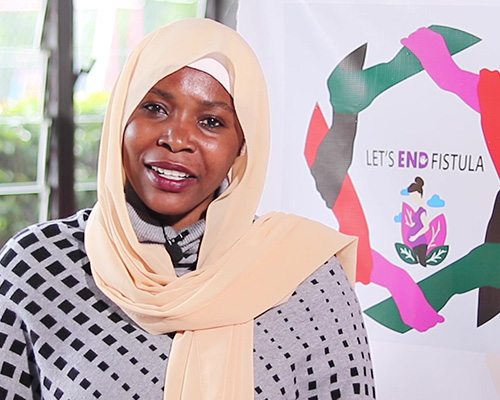
From Fistula Survivor to Safe Motherhood Advocate
Mwajuma developed obstetric fistula as a teenager and lived with the injury for eight years. After successful surgery through Let’s End Fistula Initiative, she returned to…
Read the Story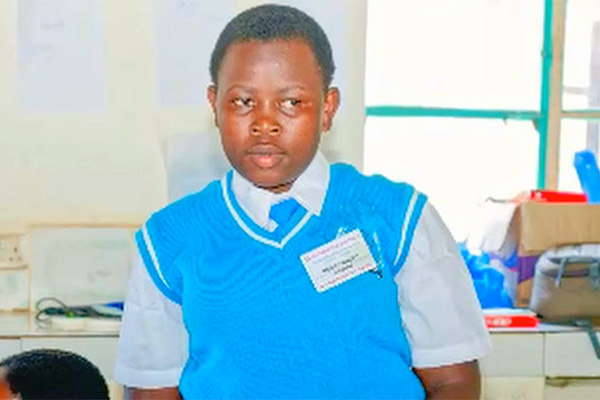
Leading Before Fistula Happens
Zuena is a student and youth leader in Bungoma County, Kenya, using education and advocacy to help prevent obstetric fistula before it happens. Through the Young…
Read the Story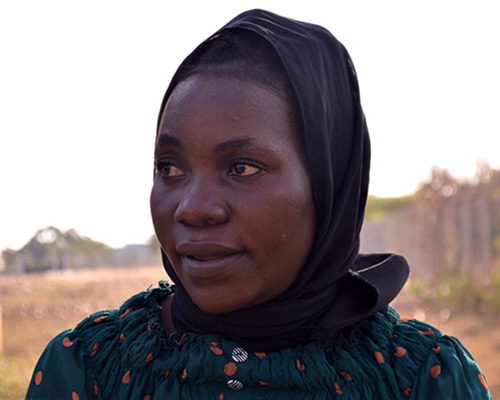
After Two Fistulas, Basalirwa Built a Business and Began Again
After a prolonged labor and the loss of her baby, Basalirwa developed two different fistulas. Following two successful surgeries and reintegration support through TERREWODE, she turned…
Read the Story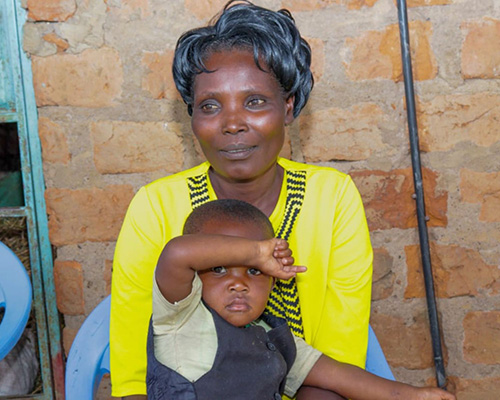
From Isolation to Independence
Eunice lived with obstetric fistula for three years, isolated from her community and unsure she would ever recover. After connecting with Let’s End Fistula Initiative and…
Read the Story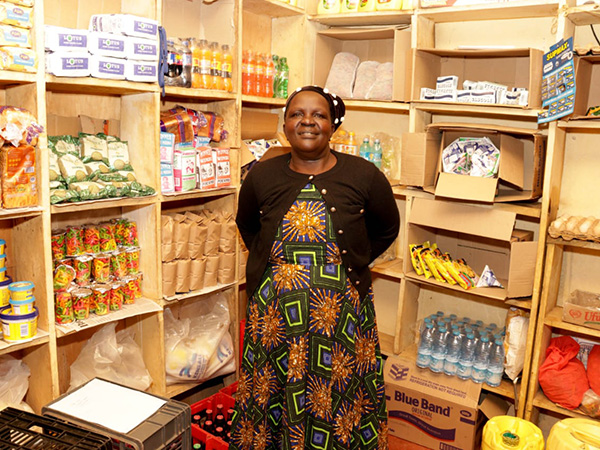
After 20 Years With Fistula, Doris Rebuilt Her Life and Livelihood
Doris lived with obstetric fistula for 20 years before receiving treatment through LEFI. Afterward, a solidarity group and micro-loan helped her build a business, purchase land,…
Read the Story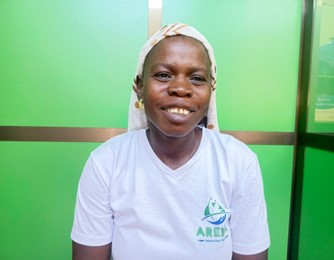
Five Years of Fistula, Then a New Life
Awa lived with obstetric fistula for five years after a traumatic childbirth and the loss of her baby. Two surgeries failed to repair the injury. Then…
Read the Story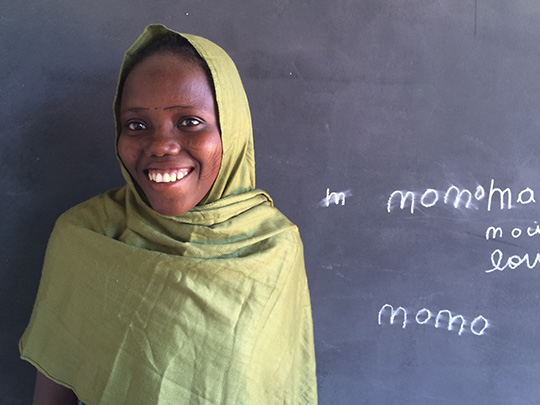
Three Surgeries Later, Tsahara Is Building a Future Beyond Fistula
Tsahara was married at 16, became pregnant at 17, and endured three days of labor before losing her baby and developing obstetric fistula. She lived with…
Read the Story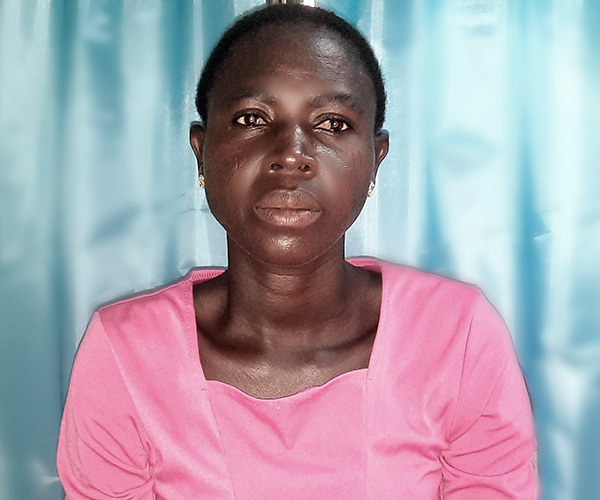
One Referral Changed Everything
After losing her fifth baby during an obstructed labor, Nathalie developed obstetric fistula and learned she needed surgery she could not afford. Her husband left, and…
Read the Story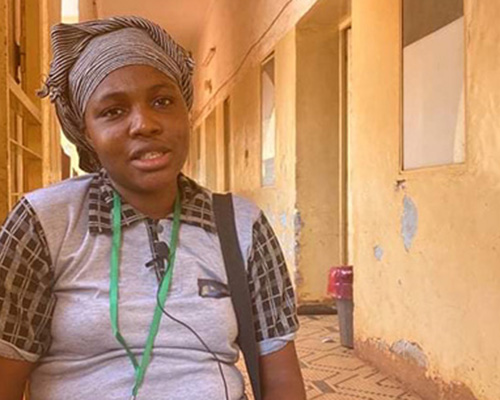
From Fistula Survivor to Advocate
Habibou lived with obstetric fistula for five months after a difficult childbirth and the loss of her baby. Successful surgery at ARENA Medical Center changed her…
Read the Story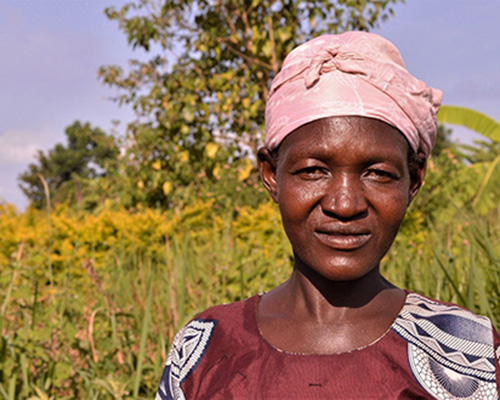
Florence’s Journey Through Fistula and Recovery
Florence walked eight miles round trip for antenatal care during her eighth pregnancy, but when labor became dangerous, reaching emergency treatment required even more. After losing…
Read the Story